 UK


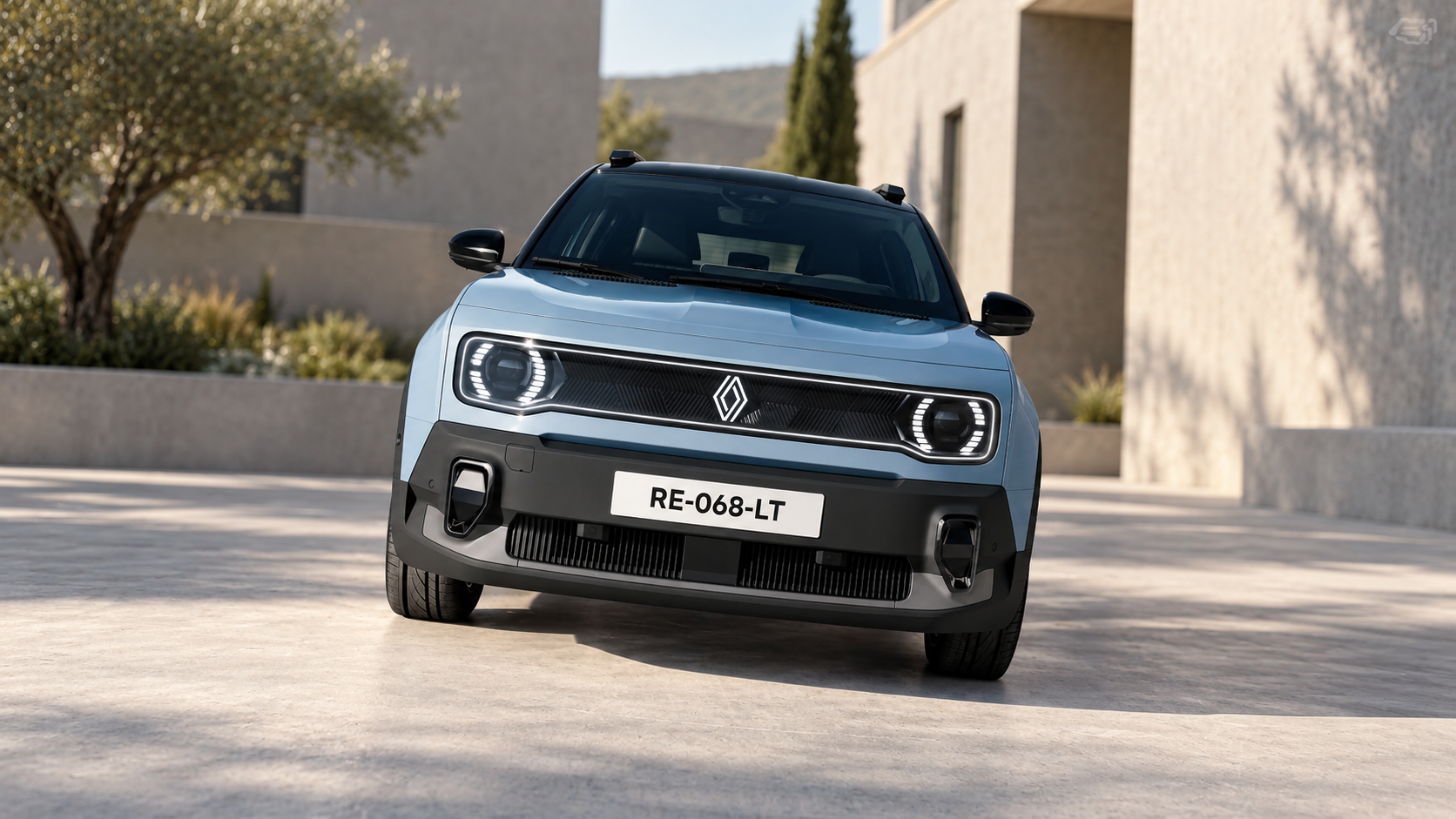
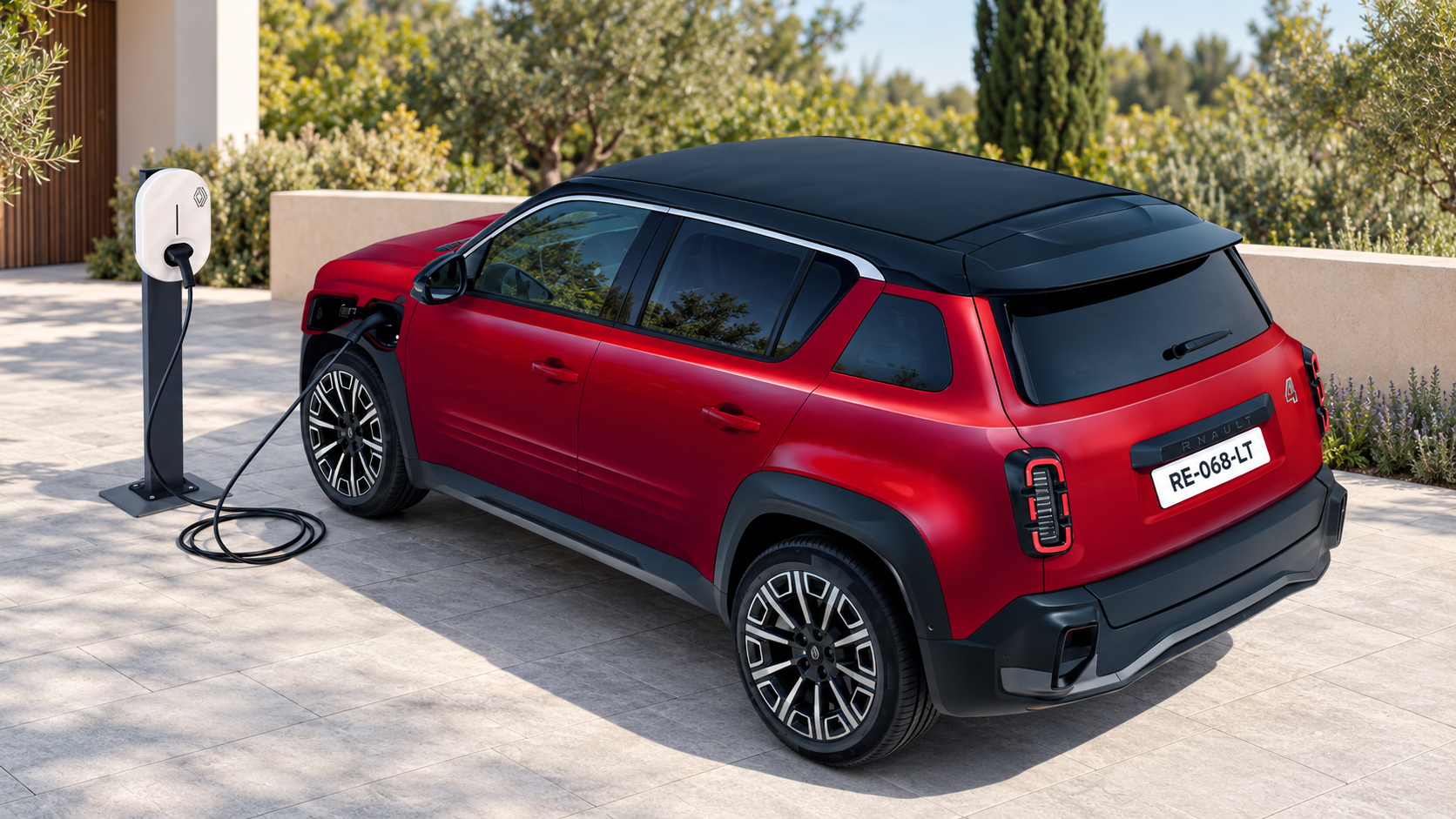
Renault is adding a new entry-level Jogging version to the 4 E-Tech electric range. In the Netherlands, it will cost from €27,490 — €2,000 less than the Evolution with a 40 kWh battery. At the same time, the difference in claimed range is just 5 km. But choosing between them based only on price and driving range would be an oversimplification: the versions also differ in motor output, charging hardware and equipment.
Renault presented the range update on October 8, 2026. The Jogging is expected to arrive before the end of the year; the announcement does not specify the exact start date for deliveries.
How Much Does the Jogging Cost, and What Should You Compare It With?
On October 19, 2026, Renault’s Dutch division published the prices for the updated Renault 4. They make it possible to compare three powertrain options on the same market.
Version | Battery | Power | WLTP range | Starting price |
|---|---|---|---|---|
Jogging | 37 kWh, LFP | 110 hp | 305 km | €27,490 |
Evolution urban range | 40 kWh | 120 hp | 310 km | €29,490 |
Evolution comfort range | 52 kWh | 150 hp | 415 km | €32,190 |
€27,490 is the advertised price for the Netherlands. It should not be applied to other countries: local prices and purchasing conditions may differ.
What Do You Get for the Extra €4,700?
That is the price gap between the Jogging and the Evolution with a 52 kWh battery, based on the published prices. For the difference, the buyer gets an additional 40 hp and up to 110 km of extra WLTP range. This is a comparison of complete versions, not the cost of the larger battery alone.
What Does the Switch to LFP Mean?
LFP is a lithium iron phosphate battery chemistry. The Jogging is specified with 37 kWh of total capacity and 36.5 kWh of usable capacity. Its battery powers a new motor from the same family as the unit used in the Twingo E-Tech electric. The claimed 0–100 km/h acceleration time is 10.2 seconds.
For Renault, this is part of an earlier plan: on July 1, 2024, Ampere announced the adoption of LFP and cell-to-pack technology to reduce battery costs. With this design, the cells are placed directly inside the battery housing without intermediate modules. This makes more efficient use of the available internal space.
The Jogging also uses cell-to-pack technology. However, Renault has not disclosed what share of the price difference with the Evolution is attributable specifically to the battery. The buyer’s saving comes from choosing the complete equipment level.
A Smaller Battery — Almost the Same Range?
According to the official figures, the Jogging falls just 5 km short of the 40 kWh Evolution. But battery capacity alone does not determine driving range; the car’s energy consumption also matters. The 305 km WLTP figure comes from a standardized test cycle and is not a guaranteed range in all conditions. Weather, speed and route will affect the actual distance.
Charging: What to Consider Besides Capacity
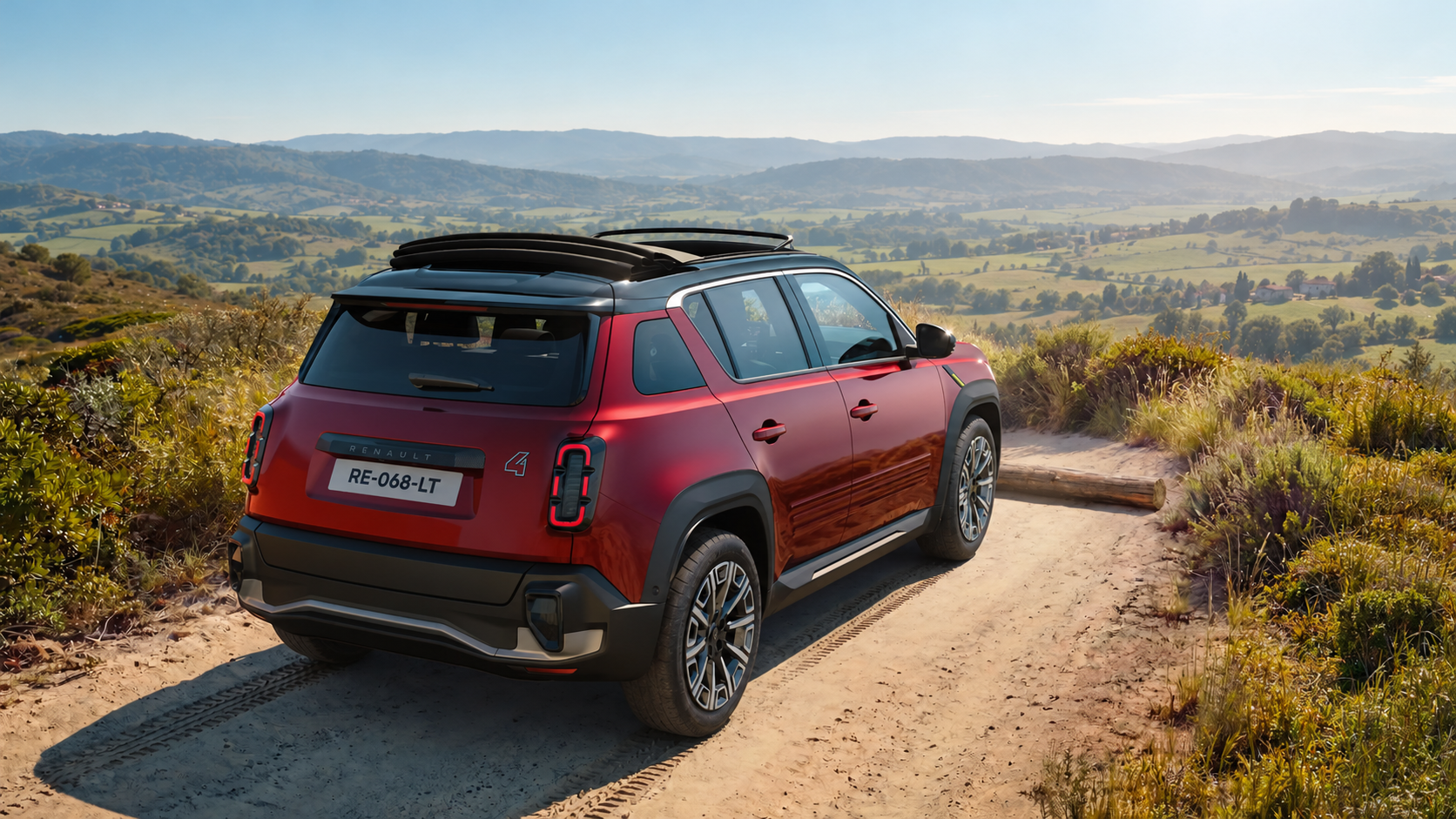
The Jogging supports AC charging at up to 6.6 kW and DC charging at up to 80 kW. Renault quotes approximately 3 hours 30 minutes to charge from 10% to 80% using AC and 25 minutes via a fast DC charging station.
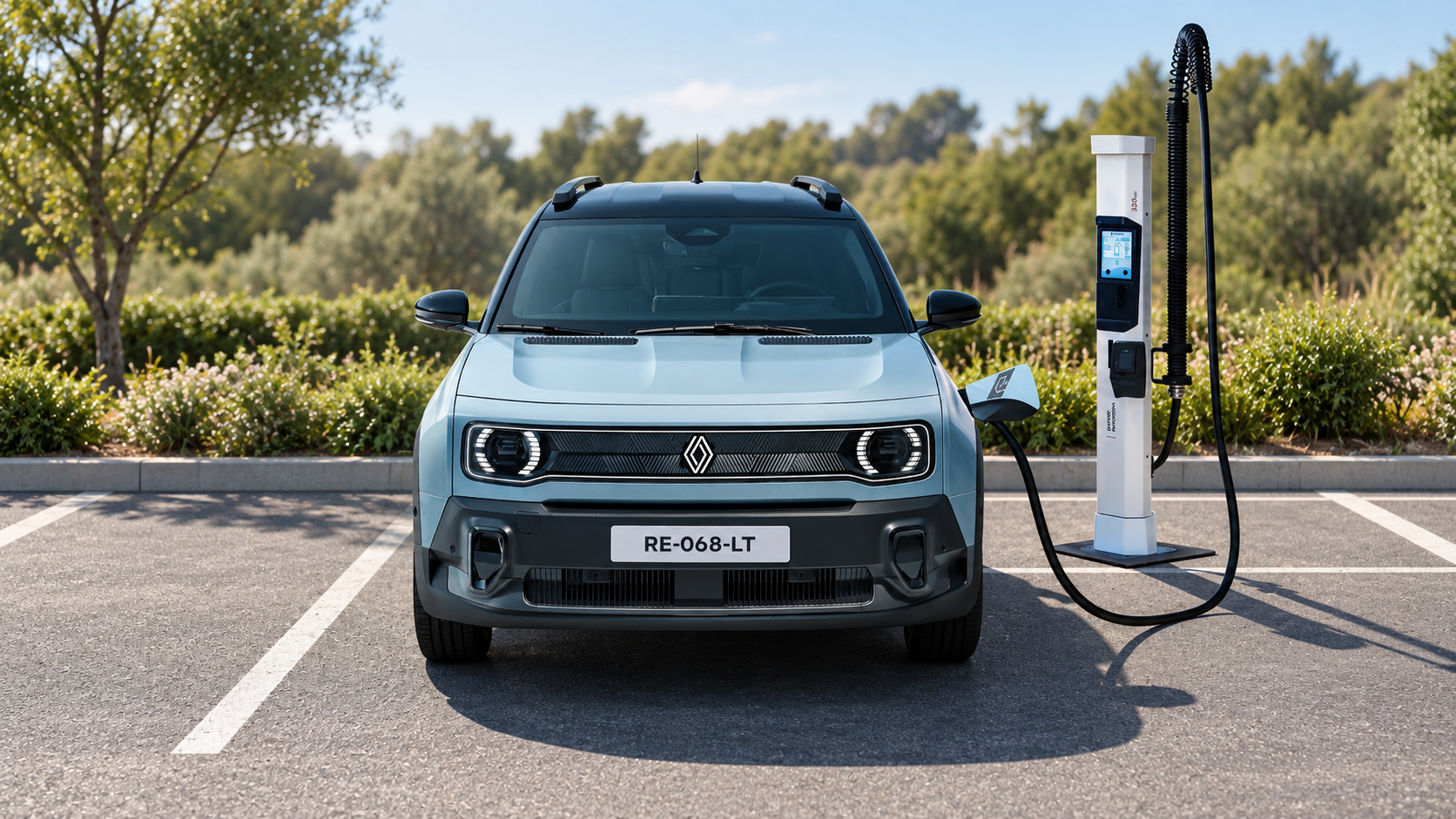
In the Dutch specification, the versions with 40 and 52 kWh batteries have an 11 kW onboard AC charger. So if you usually charge during a short stop at a shop or office, this is another factor to consider when choosing a version.
Why a 22 kW Station Will Not Give the Jogging the Full 22 kW
With AC charging, the car’s onboard charger is also a limiting factor. A more powerful AC station will not raise the Jogging’s limit above 6.6 kW. Fast DC charging has a different limit of 80 kW. Before buying, it is therefore useful to check the types of charging stations available to you, rather than just their number on the map.
What Remains in the Entry-Level Equipment?
The Jogging comes with:
manually controlled air conditioning;
a 7-inch digital instrument cluster and a 10.1-inch multimedia screen;
Apple CarPlay and Android Auto;
rear parking sensors and a rear-view camera;
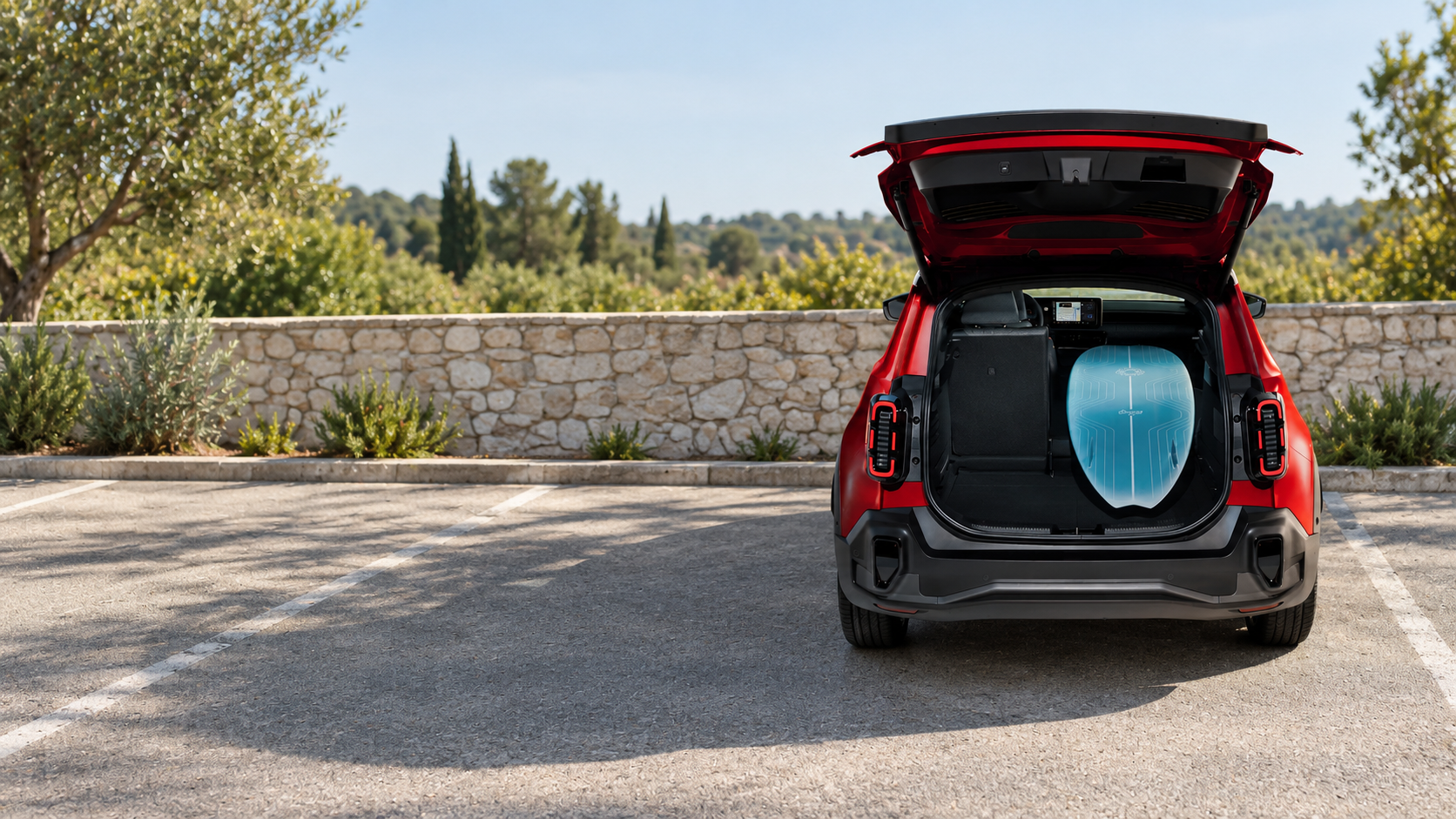
a 60:40 split-folding rear seat;
18-inch wheels with wheel covers.
The car also has manual battery preconditioning for charging. It can be activated from the central screen without setting a charging station as a destination in the navigation system. This is useful when the driver already knows where they will stop and is not planning the route through the built-in system.
Which Version Should You Consider?
For regular trips when the car can remain connected to a charger for an extended period, the Jogging stands out primarily for its price. If you frequently drive long distances, the Evolution comfort range deserves separate consideration. When choosing between the Jogging and Evolution urban range, it is better to start by comparing the AC charging available to you and the equipment you need: their claimed ranges are very close.